
How Weather Conditions Affect Asphalt Paving and Blacktopping
People seeking asphalt paving and blacktopping often want durable surfaces, and local contractors can help manage weather-related challenges to ensure a quality job.
Understanding how weather conditions affect asphalt paving and blacktopping is essential for property owners looking to ensure a durable and long-lasting surface. Extreme temperatures, heavy rainfall, and freeze-thaw cycles can all influence the quality of paving projects, leading to cracking, uneven surfaces, or premature deterioration. By exploring this topic, property owners in the area can gain practical insights into how seasonal changes impact pavement performance and learn why working with experienced local contractors is crucial for achieving optimal results.
Property owners who are considering new paving or repairs often find that weather plays a significant role in the success of their projects. Local service providers understand the nuances of the region’s climate and can advise on the best timing and techniques to minimize weather-related issues. Whether it’s planning around temperature fluctuations or choosing appropriate materials, connecting with knowledgeable local pros can help ensure that asphalt paving and blacktopping stand up to the local weather conditions, providing a reliable and long-lasting surface for years to come.
- Asphalt Paving - homeowners planning new driveways may need asphalt paving services to ensure proper installation despite changing weather conditions that can impact curing times.
- Blacktopping - property owners seeking to repair or reseal existing surfaces should consult local contractors experienced in weather-sensitive blacktopping techniques.
- Asphalt Paving - during periods of fluctuating temperatures, local pros can adjust paving methods to prevent cracks and surface damage caused by weather shifts.
- Blacktopping - in anticipation of freeze-thaw cycles, service providers can implement protective measures to extend the lifespan of blacktop surfaces.
- Asphalt Paving - when weather conditions are unpredictable, experienced contractors can schedule work during optimal conditions to reduce the risk of future pavement issues.
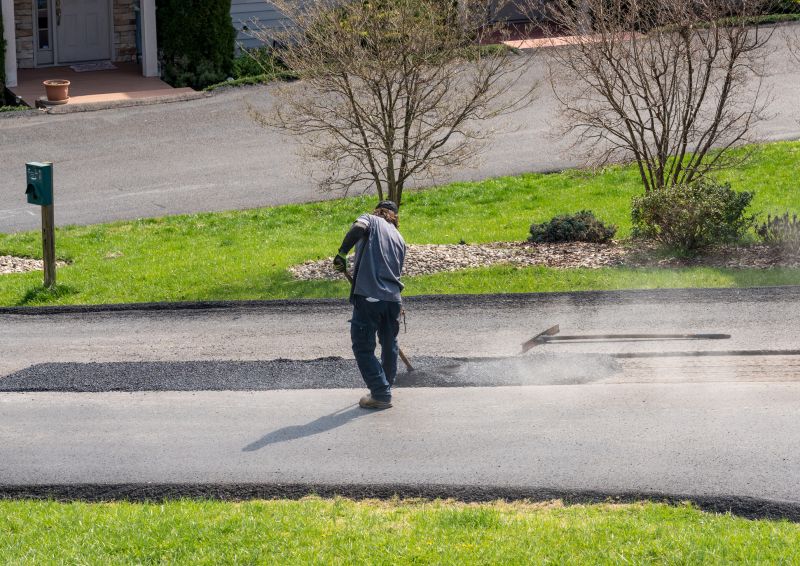
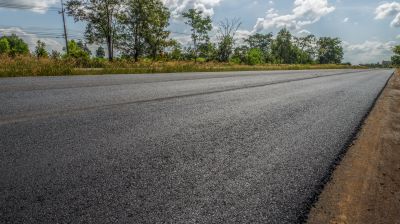
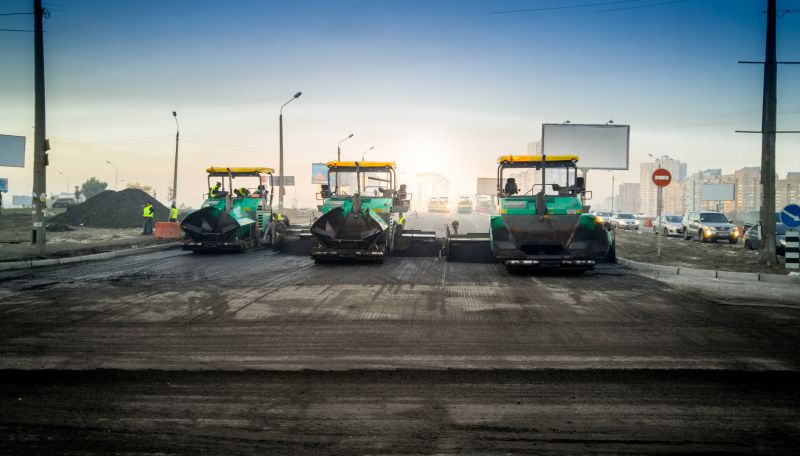
Understanding how weather conditions affect asphalt paving and blacktopping is essential for homeowners planning driveway or parking lot projects. Many people search for this topic to learn how different weather patterns can impact the quality, durability, and longevity of their paved surfaces. For example, extreme temperatures, heavy rainfall, or rapid temperature changes can influence how asphalt layers are laid and how well they settle. Homeowners often want to know whether certain weather conditions might cause issues like cracking, uneven surfaces, or premature deterioration, so they can better plan their projects or schedule work during optimal times.
This topic relates to a range of problems and planning considerations. Poor weather conditions during paving can lead to surface imperfections, such as cracks, ruts, or surface deformation. If paving is done during too much rain, for instance, excess moisture can weaken the asphalt mix and prevent proper compaction. Conversely, extreme cold can cause the asphalt to cool too quickly, resulting in a rougher finish or inadequate bonding. Homeowners also consider how weather might affect future maintenance, as some conditions can accelerate wear and tear, making regular upkeep more necessary. Understanding these factors helps in developing a realistic plan for installing or repairing asphalt surfaces that last.
The types of properties that typically come up in discussions about weather and asphalt work include residential driveways, commercial parking lots, and public access roads. Residential properties often require blacktopping to provide a smooth, durable surface for daily use. Commercial properties, especially those with high vehicle traffic, demand careful consideration of weather impacts to avoid costly repairs. Public infrastructure, such as city streets or community parking areas, also face challenges from weather conditions that can cause surface damage or safety hazards. Local contractors experienced in asphalt paving and blacktopping can evaluate these property types and advise on the best timing and techniques to minimize weather-related problems, ensuring long-lasting results.
For homeowners and property managers, understanding how weather conditions affect asphalt paving and blacktopping helps in making informed decisions about scheduling and project execution. Local service providers have the expertise to assess weather patterns and recommend optimal times for paving work, reducing the risk of issues caused by adverse conditions. They can also adapt their methods to accommodate weather challenges, such as adjusting the timing of applications or using specific materials suited for certain conditions. Connecting with experienced local contractors ensures that projects are completed with consideration of weather factors, ultimately leading to more durable and reliable paved surfaces that meet the needs of the property.
Concrete driveway installation - local contractors experienced in concrete work understand how weather conditions impact the curing process, which is similar to asphalt paving considerations.
Paving stone and brickwork projects - these projects require planning around weather to ensure proper setting and durability, paralleling blacktopping procedures.
Parking lot resurfacing - professionals in this area navigate weather challenges to maintain surface integrity, making their skills relevant to asphalt and blacktopping work.
Road repair and maintenance - local service providers manage weather-related factors to ensure long-lasting repairs, aligning closely with asphalt paving techniques.
Sealcoating services - applying sealcoats effectively depends on weather conditions, requiring expertise similar to asphalt blacktopping projects.
Drainage system installation - proper drainage planning involves weather considerations, which are essential for durable pavement and blacktop surfaces handled by local contractors.
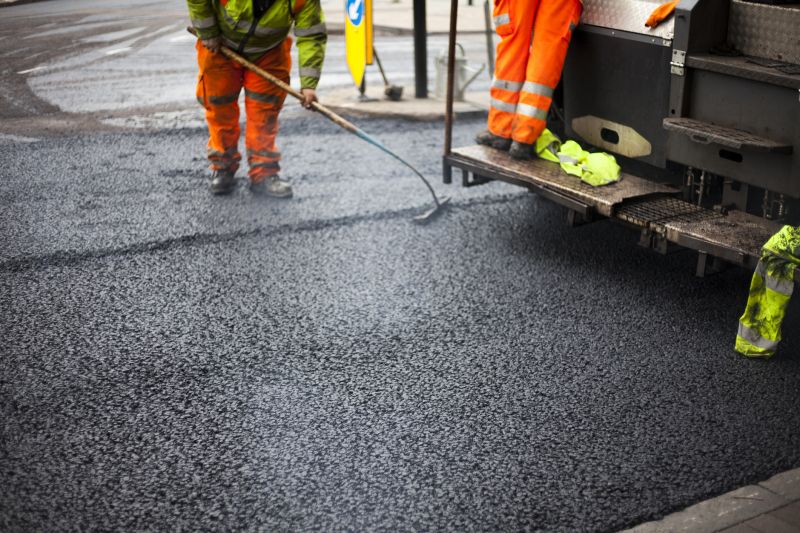
When comparing local contractors for asphalt paving and blacktopping projects, it is essential to consider their experience with similar projects, especially those affected by weather conditions. An experienced service provider will have a clear understanding of how weather can influence the paving process, such as temperature fluctuations, moisture levels, and seasonal changes. By reviewing their background in handling projects under various weather scenarios, homeowners can gain confidence that the contractor knows how to adapt techniques to ensure a durable and properly finished surface despite weather challenges.
Clear written expectations are another critical factor when evaluating local pros. A reputable contractor should be able to communicate how weather conditions might impact the timing and quality of the paving work. This includes explaining how rain, extreme heat, or cold temperatures could influence curing times or surface integrity. Having detailed, transparent information helps homeowners understand what to expect and how weather might affect the project's outcome, ensuring there are no surprises or misunderstandings during the process.
Finally, reputable references and good communication are vital when choosing service providers for asphalt paving and blacktopping. References from previous clients can offer insights into how well a contractor manages weather-related issues and maintains open, responsive communication throughout the project. Contractors who prioritize clear dialogue and provide consistent updates are often better equipped to handle weather-related delays or adjustments, ultimately leading to a smoother experience. Comparing these aspects can help homeowners select a contractor capable of delivering quality results despite the challenges posed by weather conditions.
Property owners often search for how weather conditions affect asphalt paving and blacktopping when they are planning practical projects around their homes and businesses. Local pros provide Asphalt Paving and Blacktopping services for everyday jobs and straightforward project options.
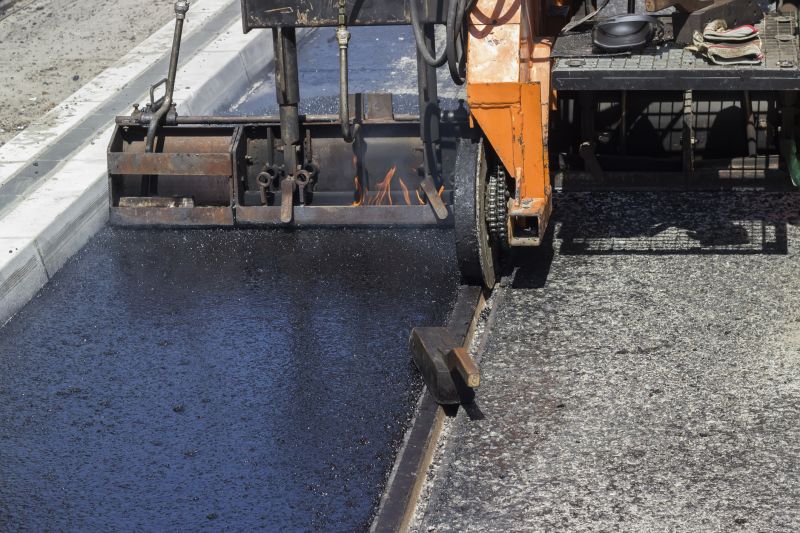
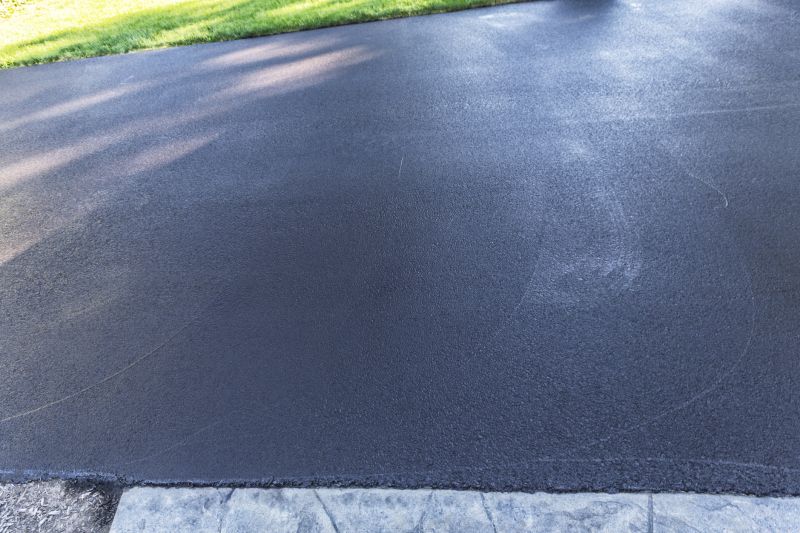
Understanding how weather conditions affect asphalt paving and blacktopping is essential for property owners planning outdoor surface projects. Extreme temperatures, whether hot or cold, can influence how asphalt is laid and how durable the finished surface will be. For example, very hot days may cause the asphalt to become too soft, leading to uneven surfaces or ruts, while freezing temperatures can hinder proper compaction and cause cracking or surface deterioration over time. Local contractors are experienced in assessing current weather conditions and adjusting their techniques accordingly to ensure a quality result.
Rain and moisture levels also play a significant role in the paving process. Excessive rain can delay projects, as wet conditions prevent proper asphalt placement and compaction, increasing the risk of future issues like potholes or surface erosion. Conversely, dry weather allows for better curing and long-lasting blacktopping. Property owners looking to ensure a successful paving or blacktopping job often consider the local pros’ expertise in timing and weather management, helping to minimize problems caused by unpredictable weather patterns and ensuring a durable, smooth surface.
How do weather conditions impact asphalt paving and blacktopping projects? Weather conditions can influence the curing process and overall quality of asphalt and blacktop, with extreme temperatures or moisture causing issues like cracking or improper bonding. Local contractors consider current weather to plan and execute paving effectively, ensuring durable results.
Can rain or moisture affect asphalt paving and blacktopping? Yes, rain and high moisture levels can delay paving work, lead to uneven surfaces, or cause the asphalt to not set properly. Service providers monitor weather forecasts to protect the integrity of the paving during installation.
How do temperature fluctuations influence asphalt and blacktop installation? Temperature extremes, whether hot or cold, can impact the work process and the finished surface’s longevity. Local pros adjust their methods based on current temperatures to achieve optimal results and reduce future damage.
Is it better to schedule asphalt paving during certain weather conditions? Yes, scheduling during mild, dry weather helps ensure proper compaction and curing. Service providers often recommend avoiding paving in very hot, cold, or wet conditions for the best long-term performance.
How do weather conditions affect the maintenance of asphalt and blacktop surfaces? Weather factors like freeze-thaw cycles and moisture can cause cracking or deterioration over time. Local contractors can advise on weather-related maintenance needs to extend the lifespan of asphalt and blacktop surfaces.
Timing for paving projects - property owners can plan asphalt and blacktopping work during favorable weather conditions to ensure proper curing and durability.
Preparing for temperature fluctuations - understanding how temperature changes affect asphalt work can help in scheduling projects for optimal results with local contractors.
Managing moisture and rain - avoiding paving during or immediately after rain helps prevent surface damage and ensures a smooth, long-lasting finish with the help of local service providers.
Choosing the right season for blacktopping - selecting appropriate seasons based on weather patterns can improve adhesion and reduce the risk of cracks or surface issues over time.
If you are thinking about how weather conditions affect asphalt paving and blacktopping for a property, this guide is meant to help you understand this topic, the typical project types, and how different options might fit your plans.
When you are ready, you can use the quote form on this page to share a few details about your project. From there, local pros can review the basics and follow up with options that match what you have in mind.